
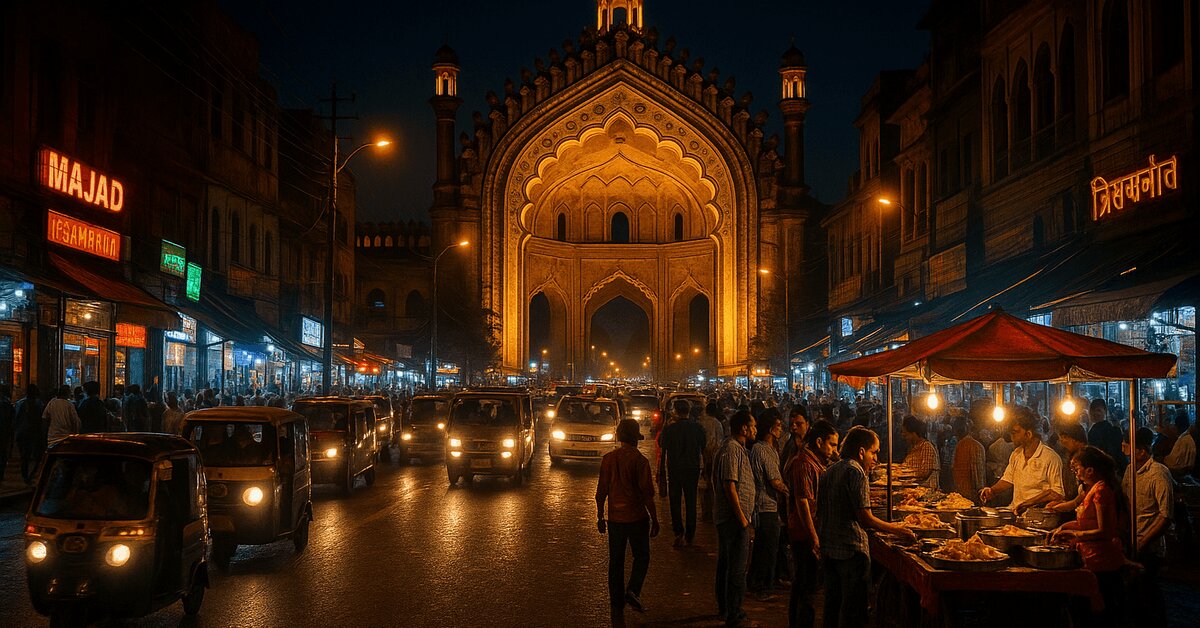
Rich Heritage of Lucknow A Tour Package , Everyone knows about the Bara Imambara. The guidebooks rave about Tunday Kababi. Travel websites feature the same five monuments over and over again. But what about the Lucknow that locals cherish? The hidden courtyard where the city’s best poets still gather? The unmarked alley serving biryani that makes the famous places seem ordinary? The crumbling palace that tourists walk past without a second glance?
That’s the Lucknow we’re about to explore—a city of secrets hiding in plain sight. These aren’t tourist traps or Instagram hotspots. These are authentic experiences, places where locals actually go, stories that haven’t made it into the mainstream narrative. This is Lucknow with its guard down, genuine and unpolished, waiting for curious travelers willing to venture beyond the obvious.
A secret tour package of Lucknow isn’t about competing with traditional tours—it’s about complementing them. Once you’ve seen the famous monuments, once you’ve tasted the legendary kebabs, once you’ve checked the standard boxes, that’s when the real exploration begins. That’s when you’re ready to discover what makes Lucknow magical for those who truly know it.
Why Explore Lucknow’s Hidden Gems?
What’s the appeal of seeking out lesser-known places when famous attractions exist for good reason?
Authentic Local Experiences
Hidden gems offer something the famous sites can’t—authenticity without performance. When a place isn’t on every tourist’s itinerary, it remains genuine. The craftsman isn’t demonstrating for visitors; he’s actually working. The eatery isn’t catering to tourist tastes; it’s serving what locals have loved for generations. The temple isn’t managing crowds; it’s simply fulfilling its spiritual purpose.
These experiences connect you to the real rhythm of the city, to daily life as it’s actually lived rather than as it’s presented for tourism.
Avoiding the Crowds
There’s something magical about having a beautiful place almost to yourself. While hundreds of tourists queue up at the Bara Imambara, you could be exploring an equally stunning monument with just a handful of visitors. You can take your time, absorb the atmosphere, take photos without strangers in every frame, and actually hear your guide’s explanations.
Discovering Stories Untold
Every famous monument has its story told a thousand times. But what about the places that textbooks forgot? The buildings that played crucial roles but never made it into mainstream history? The traditions practiced by small communities? These untold stories are often the most fascinating precisely because they’re fresh, surprising, and genuinely informative.
Secret Historical Sites
Lucknow has numerous historical monuments that deserve far more attention than they receive.
Shah Najaf Imambara: The Overlooked Jewel
While everyone flocks to Bara and Chota Imambara, Shah Najaf Imambara stands relatively ignored despite its historical significance. Built in 1816 by Ghazi-ud-Din Haider, this monument served as a crucial strongpoint during the 1857 uprising. The building features beautiful architecture with three domes and intricate stucco work.
What makes it special? The peaceful atmosphere. You can actually spend time here without being jostled by crowds. The monument houses the tomb of Ghazi-ud-Din Haider, and the serene ambiance makes it perfect for those seeking contemplative moments. The nearby tomb of his wives adds another layer of architectural beauty to explore.
Safed Baradari: The White Pavilion
Tucked away near the Begum Hazrat Mahal Park, the Safed Baradari (White Pavilion) is an elegant structure built during the Nawabi period. “Baradari” means a building with twelve doorways, and this white plastered pavilion exemplifies the architectural elegance of that era.
Originally part of a larger palace complex, it now stands somewhat isolated but beautifully preserved. The building’s simple elegance and white façade create stunning photo opportunities, especially during golden hour. Few tourists know about it, making it a perfect spot for peaceful exploration.
Chattar Manzil: The Umbrella Palace
The Chattar Manzil gets its name from its distinctive umbrella-shaped dome. Built during the Nawabi period, this palace complex showcases an interesting blend of architectural styles.
The European Influence
What’s fascinating about Chattar Manzil is the clear European influence in its design—unusual for Lucknow’s predominantly Indo-Islamic architecture. The gilt-covered dome sits atop a building that displays Baroque elements, creating a unique architectural hybrid. The building later served as a residence for British officials, adding another layer to its historical significance.
Today, it houses government offices, but the exterior can be admired, and sometimes special permissions allow interior visits. Its location on the banks of the Gomti River adds to its photogenic appeal.
Hidden Architectural Wonders
Beyond the famous monuments, Lucknow hides architectural treasures that few explore.
Begum Hazrat Mahal Park: More Than a Garden
Most people know this as just a park, but it contains several architectural gems. The Victoria Memorial, often overlooked, features beautiful Gothic-style architecture. Built during the British period, it stands as a reminder of colonial influence.
The park also contains several other small monuments and structures that tell stories of different eras. It’s a great place for architecture enthusiasts to explore at leisure without tourist crowds.
Picture Gallery: Nawabi Portraits and Artworks
Located near Bara Imambara, the Picture Gallery (Husainabad Picture Gallery) is frequently bypassed by tourists rushing between monuments. This is unfortunate because it houses an impressive collection of portraits of Awadh rulers and nobility.
The building itself is architecturally significant, and the collection provides visual context for the history you’ve been learning. Seeing the faces of the Nawabs whose monuments you’re visiting makes history feel more personal and immediate.
Taluqdars’ Hall: Colonial-Era Grandeur
This magnificent building was constructed in 1896 as a meeting place for the landed gentry (taluqdars) of Awadh. The architecture blends European and Indian styles beautifully, with impressive columns, arches, and decorative elements.
Currently used for government functions, it’s not always accessible, but when it is, the interior is breathtaking. The main hall features ornate chandeliers and detailed craftwork. Even from the outside, the building impresses with its grand façade and well-maintained grounds.
Off-the-Beaten-Path Religious Sites
Lucknow’s spiritual landscape extends far beyond its famous imambaras.
Jama Masjid: Ancient Serenity
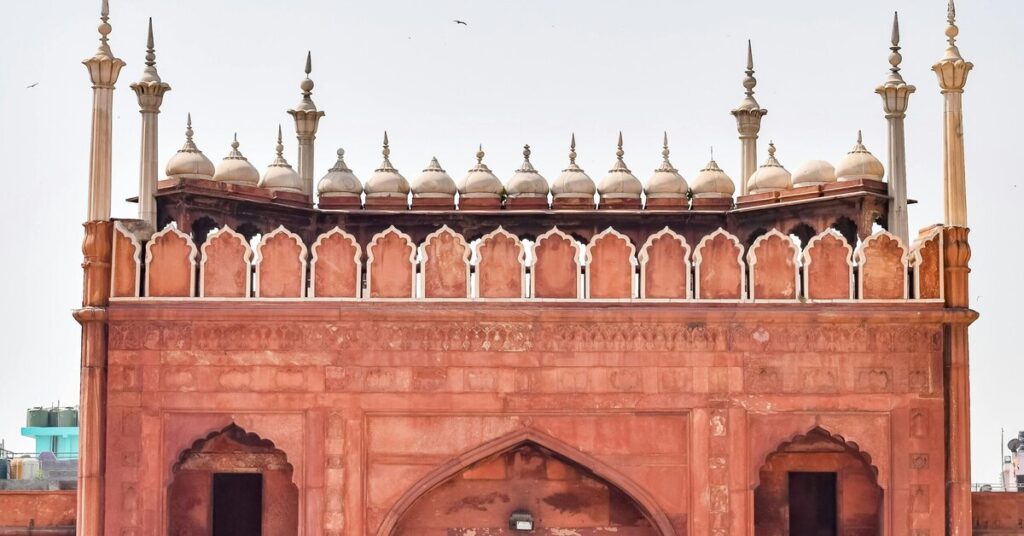
Built in 1423 by Sultan Ahmed Shah, Lucknow’s Jama Masjid is one of the city’s oldest structures, yet it remains relatively undiscovered by tourists. The mosque’s distinctive yellow color and architectural style differ from the later Nawabi monuments.
The peaceful courtyard and the mosque’s historical significance make it worth visiting. The architecture represents an earlier period, providing context for understanding Lucknow’s architectural evolution. The Friday prayers here offer a glimpse into the city’s religious traditions if you’re respectful and appropriately dressed.
Mankameshwar Temple: Underground Spirituality
This ancient Shiva temple has a unique feature—the main shrine is located underground, reached by descending several steps. Legend dates the temple to ancient times, making it one of Lucknow’s oldest religious sites.
The underground sanctum creates a distinctive atmosphere—cool, dimly lit, and deeply atmospheric. The temple sees mostly local devotees, making it an authentic spiritual experience. During Maha Shivaratri, the temple comes alive with celebrations, but for most of the year, it remains a peaceful place of worship.
Gurudwara Shri Guru Teg Bahadur Sahib
This significant Sikh shrine commemorates the visit of the ninth Sikh Guru to Lucknow. The gurudwara features beautiful architecture and, like all Sikh temples, welcomes visitors of all faiths.
The langar (community kitchen) serves free meals to all visitors—a wonderful example of seva (selfless service). The peaceful atmosphere and warm hospitality make it a meaningful stop. The gurudwara also maintains a museum documenting Sikh history and the Guru’s connection to Lucknow.
Secret Food Spots Only Locals Know
Lucknow’s most memorable food experiences often happen in places without signboards or TripAdvisor ratings.
Hidden Street Food Corners
The famous eateries are great, but locals know spots that serve equally delicious food without the hype.
Makhan Malai in Winter
During winter mornings, certain corners of Chowk area serve makhan malai—a frothy, milk-based dessert that’s impossibly light and sweet. It’s only available in winter and only in the early morning hours. Locals guard these spots jealously, but a good guide can take you there.
Prakash Ki Kulfi
While Kulfi is available everywhere, Prakash Ki Kulfi in Aminabad has achieved legendary status among locals. The shop is tiny, easy to miss, and operates on its own schedule, but the kulfi—made using traditional methods—is extraordinary. Flavors change seasonally, and the mango kulfi in summer is particularly celebrated.
Family-Run Eateries with No Signs
Some of Lucknow’s best food comes from family kitchens that have evolved into informal eateries. These places don’t have signs, don’t advertise, and don’t always have consistent hours. They serve a handful of dishes perfected over generations.
One such place in the Daliganj area serves nihari (slow-cooked meat stew) that locals swear is better than the famous places. Another in Nakkhas serves paratha-based meals that have remained unchanged for fifty years. Finding these requires local connections—exactly what specialized tour packages provide.
Tea Stalls with History
Lucknow’s chai culture deserves exploration. Certain tea stalls have been serving tea for decades, becoming informal community centers. The tea itself is spectacular—perfectly spiced, the right balance of milk and sugar—but the real attraction is the atmosphere.
These stalls are where locals gather to discuss politics, sports, and neighborhood gossip. Sitting at one of these places, sipping excellent tea while conversations flow around you, offers genuine cultural immersion.
Lesser-Known Markets and Shopping Secrets
Beyond Hazratganj and Aminabad, Lucknow has specialized markets that most tourists never discover.
Yahiyaganj: The Flower Market
Early morning at Yahiyaganj flower market is a sensory explosion. Mountains of marigolds, roses, jasmine, and seasonal flowers create a riot of colors and fragrances. This wholesale flower market supplies the entire city, and watching the organized chaos of buyers and sellers is fascinating.
Photographers love this place for the colors and the interesting characters. You can buy fresh flower garlands for a fraction of retail prices, and the market’s energy is infectious.
Nakhas: The Bird and Pet Market
Nakhas is where Lucknow comes to buy pets—birds, fish, rabbits, and more. But beyond the commercial aspect, this market reveals the city’s tradition of bird keeping, particularly fancy pigeons.
Some vendors here come from families who have been breeding specific pigeon varieties for generations. If you’re interested, they’ll enthusiastically explain the characteristics of different breeds. The market operates on weekends and is a window into a hobby culture that has deep historical roots in Lucknow.
Nakkhas Market: Hidden Antique Treasures
Not to be confused with Nakhas (different spelling, different place), Nakkhas near Chowk is where antique hunters find treasures. Old coins, vintage jewelry, antique furniture, old photographs, and various collectibles fill small shops in this area.
Prices are negotiable, authenticity varies, but for those interested in old objects with history, it’s treasure hunting at its best. Some shops have been selling antiques for generations, and the knowledgeable shopkeepers share fascinating stories about their items.
Lucknow’s Secret Gardens and Parks
Beyond the famous parks, several green spaces offer peaceful escapes.
Buddha Park: Tranquil Escape
This relatively new park features a large Buddha statue and well-maintained gardens. What makes it special is the tranquility—it’s less crowded than Janeshwar Mishra Park, making it perfect for peaceful walks or meditation.
The park includes a lake, walking paths, and landscaped gardens. Early mornings and evenings see locals practicing yoga and exercising, and the atmosphere is considerably more relaxed than at tourist-heavy sites.
Sikandar Bagh: Historical Garden Memorial
Sikandar Bagh holds tremendous historical significance—it was the site of a major battle during the 1857 uprising. Thousands lost their lives here, and the garden now serves as a memorial.
The walled garden, maintained by the Botanical Survey of India, combines historical significance with botanical interest. It’s peaceful, historically important, and rarely crowded—a combination that makes it worth visiting for those interested in lesser-known historical sites.
Dr. Ram Manohar Lohia Park
Located in the heart of the city, this park offers an oasis of green amid urban development. It features walking tracks, children’s play areas, and plenty of seating.
What makes it worth mentioning is its role as a local gathering place. Visit in the evening to see Lucknow’s residents at leisure—families picnicking, elderly people exercising, young people socializing. It’s not touristy, just genuinely local, which makes it valuable for understanding daily life.
Hidden Cultural Experiences
Some of Lucknow’s most enriching cultural experiences happen in private spaces or small communities.
Private Mushairas (Poetry Sessions)
While public mushairas (poetry gatherings) do occur, private sessions organized in homes or small venues offer more intimate experiences. Here, lesser-known but talented poets recite their work to appreciative audiences who understand the nuances.
Some specialized tour packages can arrange invitations to such gatherings. The experience of listening to Urdu poetry in a traditional setting, watching the interaction between poet and audience, understanding the refined culture of appreciation—this is Lucknow at its most culturally authentic.
Traditional Wrestling Akhadas
Lucknow has several traditional wrestling training centers (akhadas) where the ancient sport of kushti is still practiced. These aren’t tourist attractions—they’re genuine training facilities where dedicated wrestlers practice daily.
With proper arrangements, visitors can observe morning training sessions. Watching wrestlers train in the traditional mud pit, following routines unchanged for centuries, and understanding the discipline and lifestyle of traditional Indian wrestling offers a fascinating cultural experience.
Pigeon Flying Enthusiasts’ Community
Lucknow has a passionate community of pigeon fanciers who breed special varieties and participate in pigeon flying—a traditional Lucknowi hobby with roots in the Nawabi era. These enthusiasts gather on rooftops, particularly in old city areas, to fly their pigeons.
Connecting with this community offers insights into a unique cultural tradition. The dedication they show, the knowledge they possess about different breeds, and the social bonds formed through this shared interest reveal aspects of Lucknow’s living traditions that most tourists never encounter.
Secret Spots for Photography
For photography enthusiasts, Lucknow’s hidden locations offer unique opportunities.
Rooftop Views from Old Havelis
Some old havelis (traditional mansions) in areas like Chowk have rooftops that provide stunning views of the cityscape—a mix of domes, minarets, and modern buildings creating a visual representation of Lucknow’s layered history.
Access requires knowing the right people, but specialized tours can arrange these opportunities. Sunset from these rooftops, with the call to prayer echoing across the city, creates magical moments that professional photographers treasure.
Gomti Riverfront at Dawn
While the riverfront gets some attention, few people visit at dawn. Early morning on the Gomti, with mist rising off the water, fishermen casting nets, and the city slowly waking up, offers extraordinary photographic opportunities.
The soft morning light, the reflections on the water, the silhouettes of bridges and buildings—it’s when Lucknow is at its most photogenic. Some photography-focused tour packages include dawn sessions here.
Abandoned Colonial Buildings
Lucknow has several abandoned or semi-abandoned colonial-era buildings. While you cannot (and should not) trespass, some can be photographed from public areas. The decay, the architectural details, the way nature is reclaiming these structures—they create hauntingly beautiful images.
These buildings tell stories of a era gone by, and capturing their current state documents an important transition in the city’s life. Always photograph respectfully and never enter restricted areas.
Village Experiences Near Lucknow
Just beyond the city limits, villages offer insights into rural life and traditions.
Malihabad: The Mango Country
Malihabad, about 25 kilometers from Lucknow, is famous for growing the Dasheri mango—considered one of India’s finest varieties. Visiting during mango season (May-July) lets you experience the orchards, taste mangoes picked fresh, and learn about cultivation.
The town also has a fascinating connection to British landscape gardening—a British officer once stationed here developed many of the orchards. Today, Malihabad supplies mangoes across India and internationally.
Mohanlalganj: Rural Crafts
This area specializes in certain handicrafts, including pottery and bamboo work. Village visits here can include meeting artisans in their homes, watching them work, and understanding how traditional crafts survive in rural settings.
These aren’t staged demonstrations—these are working craftspeople going about their daily work. The authenticity of the experience and the opportunity to support rural artisans directly makes these visits meaningful.
Kakori: Beyond the Famous Kebab
Everyone knows Kakori for its kebabs, but the town itself has historical significance and rural charm worth exploring. The town has several small monuments and traditional buildings.
Visiting Kakori as part of a village experience package, rather than just stopping at a restaurant, reveals a different side of the town—its agricultural practices, its community life, its quieter rhythms distinct from urban Lucknow.
Unexplored Museums and Galleries
Lucknow has several small museums and galleries that rarely appear on tourist itineraries.
State Museum: Hidden Collections
The State Museum has extensive collections beyond what’s displayed. With advance arrangements, sometimes researchers and serious enthusiasts can access storage areas containing additional artifacts, manuscripts, and artworks.
Even the regular displays contain treasures that visitors rush past—ancient sculptures, Nawabi-era paintings, rare manuscripts, and archaeological finds. Taking time here, rather than treating it as a quick stop, reveals the depth of Lucknow’s historical and cultural heritage.
Amrapali Museum: Jewelry Heritage
This private museum showcases traditional Indian jewelry, including pieces from the Nawabi period. The collection represents decades of careful acquisition and preservation.
The museum provides context for understanding the jewelry traditions of Awadh and other Indian regions. For those interested in craftsmanship, design, or cultural history, it offers insights not available elsewhere.
Private Collections Open to Visitors
Several families in Lucknow maintain private collections—old photographs, documents, artwork, or artifacts passed down through generations. Some are willing to show their collections to genuinely interested visitors.
These private viewings require arrangements through tour operators with local connections, but they offer glimpses into family histories and personal heritage preservation efforts that complement the official historical narrative.
Local Artisan Workshops
Meeting the people who create Lucknow’s famous crafts adds depth to your understanding.
Zardozi Embroidery Masters
Zardozi is metal embroidery—gold or silver threads worked onto fabric to create elaborate designs. Master zardozi artisans in Lucknow come from families who have practiced this craft for generations.
Visiting workshops, watching the painstaking work, understanding the technique, and hearing about the challenges of keeping this craft economically viable while maintaining quality provides perspective on craft preservation. You can also commission custom pieces directly.
Traditional Perfume (Ittar) Makers
Lucknow has traditional perfume makers (attarsaz) who create natural fragrances using traditional methods. The process involves distilling flowers, herbs, and spices to extract essences, then aging and blending them.
Watching the process, smelling various ittars, and learning about fragrance composition is fascinating. These perfumes, free from alcohol and synthetic ingredients, represent a tradition going back centuries. Many attarsaz work in small shops in old city areas.
Clay Pottery Villages
Nearby villages specialize in traditional pottery. Watching potters work on the wheel, shape clay, and fire kilns using traditional methods connects you to one of humanity’s oldest crafts.
During festival seasons, particularly before Diwali when diyas (clay lamps) are in high demand, these villages become hives of activity. Visiting during such times shows traditional crafts still serving essential functions in contemporary life.
Secret Tour Package: What’s Included?
What makes a secret tour package different from standard offerings?
Small Group Exclusive Access
These tours work with small groups—often just 4-6 people—ensuring personalized attention and access to places that cannot accommodate large crowds. Small groups also make it easier to interact with local communities without overwhelming them.
Local Guide Connections
The guides for secret tours aren’t just knowledgeable about history—they have personal connections throughout the city. They know the family serving biryani from their home kitchen, the craftsman willing to demonstrate his technique, the temple priest who can explain rituals, the rooftop owner who’ll let you photograph from his property.
These connections, built over years, are what make the experiences possible. You’re not just being shown places; you’re being introduced to people.
Unique Experiences Not Available Elsewhere
Standard tours follow predictable patterns. Secret tours include experiences that simply aren’t available through regular channels—attending a private poetry session, meeting a master craftsman in his workshop, dining in a family home, accessing collections not usually shown to visitors.
These tours cost more than standard packages, but the value lies in the exclusivity and authenticity of the experiences.
Best Practices for Secret Tours
Exploring hidden places comes with responsibilities.
Respecting Local Communities
Remember that many “secret” places are simply parts of regular life for locals. When visiting neighborhoods, markets, or workshops, be respectful. Don’t intrude on private spaces without permission, don’t photograph people without asking, and be mindful of religious or cultural sensitivities.
Your presence should not disrupt daily life. Good tour operators emphasize this and ensure their groups behave appropriately.
Photography Ethics
Not everything should be photographed, and not everything photographed should be shared publicly. Some experiences are meaningful precisely because they’re not all over social media.
Always ask permission before photographing people. If someone declines, respect that. Some sacred spaces prohibit photography entirely—honor those restrictions. And think carefully before posting locations online—turning secret spots into Instagram hotspots destroys what made them special.
Supporting Local Economies
When you buy crafts directly from artisans, eat at family-run eateries, or hire local guides, you directly support people keeping traditions alive. This economic support is crucial for cultural preservation.
Pay fair prices, don’t haggle excessively over items that required significant skill to create, and recognize that your tourism dollars can make a real difference in sustaining traditional livelihoods.
Conclusion
Lucknow’s best-kept secrets aren’t hidden because locals don’t want to share them—they’re simply off the beaten path, waiting for travelers curious enough to look beyond the obvious. These places, experiences, and people represent the soul of the city, the parts that exist not for tourists but for their own sake.
Discovering these secrets transforms your understanding of Lucknow. The city becomes more than a collection of monuments and famous foods—it becomes a living, breathing place with depth, complexity, and countless stories. You connect not just with history but with the present, with people living their lives and maintaining traditions in a rapidly changing world.
A secret tour package offers keys to unlock these hidden aspects. It provides access, context, and connections that independent exploration struggles to achieve. But more than that, it offers a different way of traveling—one that values depth over breadth, quality over quantity, and authentic human connections over checklist completion.
So if you’re the kind of traveler who wants more than surface-level experiences, if you’re curious about the stories behind the stories, if you value the road less traveled, then Lucknow’s secret tour awaits. The city has shared its famous face with the world; now it’s ready to share its secrets with those who truly want to know it.
FAQs
1. How are secret tour packages different from regular Lucknow tours?
Secret tour packages focus on lesser-known places, local experiences, and authentic interactions rather than famous monuments and tourist hotspots. They typically involve smaller groups (4-6 people versus 20-30), use guides with deep local connections rather than standard tour guides, and include experiences like private poetry sessions, artisan workshop visits, and meals in local homes rather than just monument hopping. The itinerary includes places that don’t appear in standard guidebooks and requires advance arrangements with local communities. While regular tours efficiently cover famous sites, secret tours prioritize depth and authenticity over breadth.
2. Are these secret places safe to visit?
Yes, when visited through reputable tour operators. These aren’t dangerous areas—they’re simply off the mainstream tourist path. Tour operators specializing in secret tours have established relationships with local communities, know which areas to visit and when, and ensure proper permissions where needed. They also brief travelers on appropriate behavior and cultural sensitivities. Solo travelers might find some areas challenging to navigate independently, but with organized tours, safety isn’t a concern. Standard precautions apply—secure your valuables, follow your guide’s instructions, and be respectful of local norms.
3. Will I still see the famous monuments with a secret tour package?
Most secret tour packages assume you’ve either already seen or will separately visit major monuments. They’re designed to complement, not replace, standard sightseeing. However, some operators offer comprehensive packages that include both famous sites and hidden gems, giving you a complete Lucknow experience. If you’re a first-time visitor, consider a package that combines both, or allocate separate days for standard sightseeing and secret exploration. The ideal approach is spending one day covering major monuments, then dedicating another day or two to discovering hidden Lucknow.
4. Can I visit these secret places on my own without a tour package?
Technically, many of these places are accessible independently—they’re not locked away or forbidden. However, you’ll face challenges: finding them without clear addresses or signage, gaining access to private spaces or workshops without connections, understanding what you’re seeing without expert commentary, and communicating in areas where English isn’t commonly spoken. The real value of secret tours lies in the connections and context they provide. That said, if you have local friends willing to guide you, have time for extensive research, and speak Hindi, independent exploration is possible—just more challenging and time-consuming.
5. How should I choose a tour operator for a secret tour?
Look for operators with these qualities: demonstrated local expertise (not just companies offering standard packages), emphasis on small group sizes, clear descriptions of unique experiences included, transparency about what makes their tours “secret” or special, positive reviews specifically mentioning off-beat experiences, and responsible tourism practices. Ask specific questions: How long have you operated these tours? What are your relationships with local communities? How do you ensure authentic experiences? Can you provide references? Avoid operators who promise “secret” experiences but offer just slightly modified standard tours. Genuine secret tour operators have invested years building local relationships and developing unique access.



[…] packages with guide start from ₹5,500 per vehicle. Lucknow’s hidden heritage gems — the Rich Heritage of Lucknow Tour Package blog captures dozens of lesser-known cultural experiences that most standard Lucknow tour […]